

Exercise Cycle For Home
Add a review FollowOverview
-
Founded Date April 4, 2023
-
Sectors Agriculture Extension
-
Posted Jobs 0
-
Viewed 4
Company Description
Don’t Buy Into These “Trends” Concerning Excercise Bikes
The Ultimate Guide to Exercise Bikes: Pedaling Your Way to Better Health
In the contemporary pursuit of health and health, cardiovascular physical fitness stays a cornerstone. While running outdoors, swimming, and standard fitness center equipment all have their merits, couple of fitness makers offer the benefit, adaptability, and joint-friendly benefits of the simple stationary bicycle. Whether someone is a skilled triathlete seeking to keep winter mileage or a total novice taking their first steps towards a healthier way of life, stationary bicycles provide a safe, efficient, and available way to reach fitness goals.
This thorough guide explores the various types of mini exercise bike bikes, their health benefits, how to pick the best one, and pointers for taking full advantage of workouts.
The Evolution of Indoor Cycling
Gone are the days when stationary bicycle were large, uninspiring metal devices gathering dust in the corner of a basement. Today’s stationary bicycles are state-of-the-art, smooth, and immersive. With the integration of digital screens, live-streaming classes, and advanced resistance metrics, indoor biking has actually transformed from a task into an engaging, community-driven fitness experience.
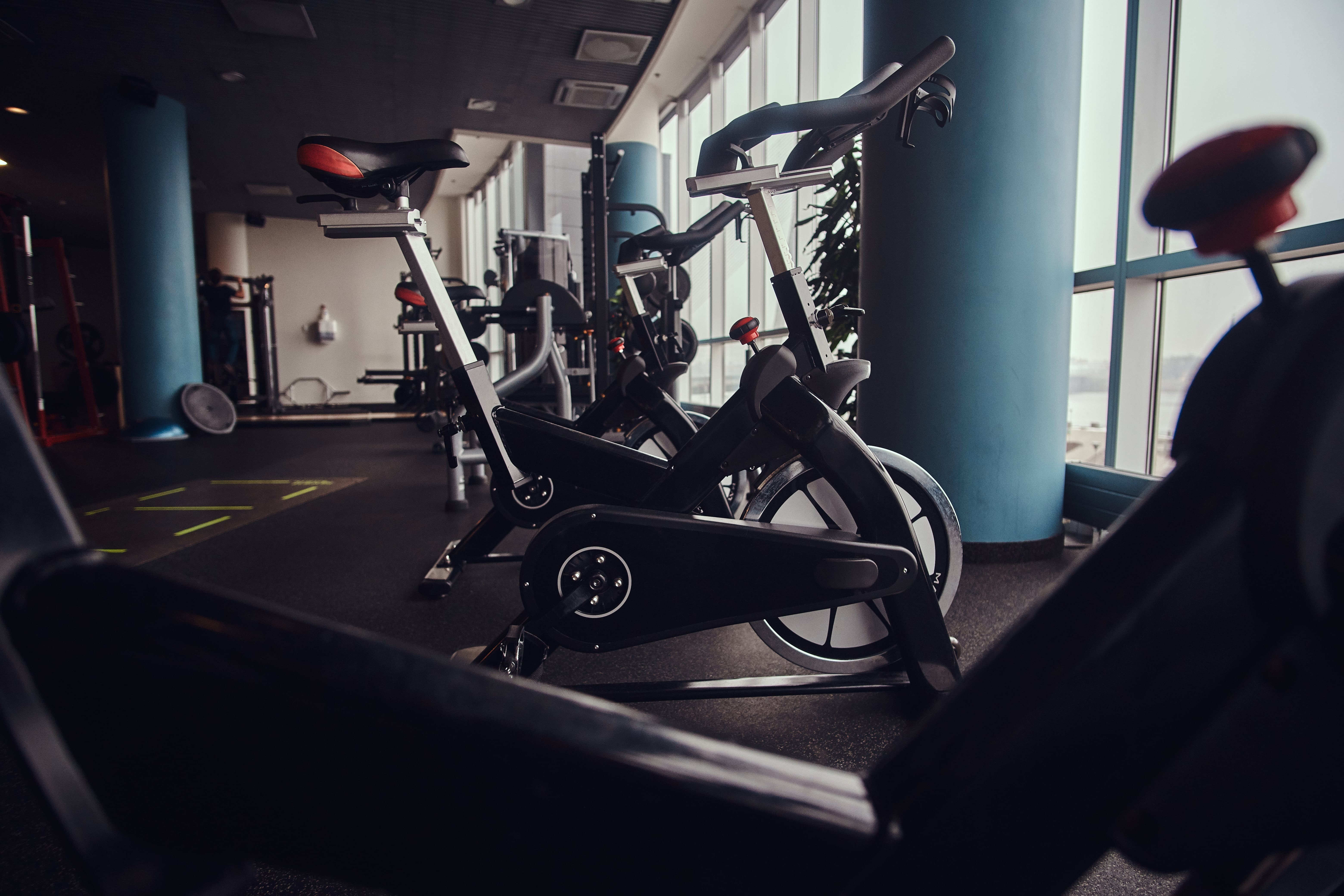
Regardless of these technological leaps, the essential advantage remains the same: pedaling versus resistance burns calories, strengthens the lower body, and enhances heart health without putting undue tension on the joints.
Types of Exercise Bikes
Picking the right stationary bicycle home exercise depends heavily on fitness objectives, budget, physical restrictions, and available space. The three most typical types are upright, recumbent, and indoor studio cycles.
1. Upright Bikes
Upright bikes carefully imitate the feel of a standard outside bicycle. The user sits upright with their upper body slightly leaned forward, placing their hands on handlebars positioned lower than the seat.
- Best for: General fitness, casual riders, and those who want a flexible exercise.
- Muscles targeted: Quadriceps, hamstrings, calves, and core muscles (which must engage to preserve posture).
2. Recumbent Bikes
Recumbent bikes feature a bigger, bucket-style seat with a backrest, positioned behind the pedals instead of above them. Riders sit in a reclined, semi-supine position with their legs extending forward.
- Best for: Beginners, older grownups, individuals with lower neck and back pain, or those recovering from injuries.
- Muscles targeted: Glutes, hamstrings, and quadriceps, with very little strain on the upper body and spine.
3. Indoor Studio Cycles (Spin Bikes)
Studio cycles are designed to duplicate outside roadway cycling. They feature heavy, weighted flywheels that develop a smooth, momentum-based pedal stroke. Riders often alternate in between seated pedaling and out-of-the-saddle climbing up sprints.
- Best for: High-intensity interval training (HIIT), avid bicyclists, and those who enjoy energetic, class-style exercises.
- Muscles targeted: A full-body lower-body exercise, along with significant upper-body engagement (arms, shoulders, and core) throughout out-of-the-saddle movements.
Comparing Exercise Bike Types
To help determine which device best fits individual needs, consider the following breakdown:
| Feature | Upright Bike | Recumbent Bike | Indoor Studio mini cycle exercise bike |
|---|---|---|---|
| Back Support | None | Complete back-rest | None |
| Joint Impact | Low | Very Low | Low to Moderate |
| Core Engagement | Moderate to High | Low | High |
| Strength Potential | Moderate | Low to Moderate | High |
| Footprint | Compact | Larger | Compact |
| Ideal User | General physical fitness lover | Seniors, injury healing | Advanced riders, HIIT fans |
The Top Health Benefits of Riding an Exercise Bike
Including routine stationary bike sessions into a weekly routine yields extensive physical and psychological health advantages.
- Enhances Cardiovascular Health: Cycling is an effective aerobic exercise. It gets the heart pumping, lowers resting heart rate, minimizes high blood pressure, and improves total circulation.
- Low-Impact Joint Protection: Unlike running or high-impact aerobics, biking is a closed-chain exercise. The feet remain fixed to the pedals, safeguarding the knees, hips, and ankles from heavy shock absorption.
- Aids in Weight Management: Depending on intensity and body weight, cycling can burn anywhere from 400 to 700 calories per hour, making it an efficient tool for calorie deficits and fat loss.
- Constructs Lower Body Strength: Pedaling resistance forces the leg muscles to strive. Gradually, this develops lean muscle mass, sculpts the legs, and increases lower-body endurance.
- Increases Mental Health: Like a lot of forms of Exercise Bike For House, indoor biking sets off the release of endorphins– the body’s natural state of mind elevators– which assist reduce stress, anxiety, and symptoms of depression.
Secret Features to Look for When Buying
Purchasing an exercise bicycle for sale static bike exercise is an investment in personal health. Before buying, purchasers should examine several vital factors:
- Resistance Mechanism:
- Friction Resistance: Uses felt pads versus the flywheel; budget-friendly however needs regular pad replacements.
- Magnetic Resistance: Uses magnets to create smooth, quiet, and maintenance-free resistance. Highly advised for home use.
- Console and Connectivity: Some bikes feature standard LCD screens displaying time, speed, and calories, while others provide HD touchscreens with integrated Wi-Fi for streaming interactive classes (e.g., Peloton, iFit, Zwift).
- Adjustability: Ensure the seat adjusts vertically and horizontally, which handlebars use multi-position grips to guarantee a comfortable, ergonomic fit.
- Weight Capacity and Sturdiness: A much heavier frame usually corresponds to a more steady trip throughout high-intensity bursts. Examine the maker’s weight limit to make sure resilience.
Tips for Maximizing an Indoor Cycling Workout
Simply hopping on a bike and pedaling aimlessly will yield outcomes, but strategic riding maximizes effectiveness and avoids injury.
- Prioritize Proper Bike Fit:
- Seat Height: When the pedal is at the bottom of the stroke, there ought to be a small bend (about 25 to 30 degrees) in the knee.
- Handlebar Height: Should be comfy for the lower back; novices must keep handlebars greater, while sophisticated riders can lower them for an aerodynamic posture.
- Include Interval Training: Instead of preserving a stable speed for 30 minutes, alternate between high-intensity sprints (pushing heavy resistance or high RPMs) and active healing phases. This increases calorie burn and improves cardiovascular conditioning.
- Maintain Cadence: Aim for a constant cadence (pedaling speed), generally measured in Revolutions Per Minute (RPM). A basic flat roadway speed is normally in between 80 and 100 RPM.
- Don’t Forget Upper Body Engagement: Keep shoulders relaxed far from the ears, engage the core to secure the lower back, and keep a light grip on the handlebars instead of dumping body weight onto the hands.
Typical Mistakes to Avoid
To ensure a safe and efficient riding experience, keep an eye out for these common mistakes:
- Resistance Set Too Low: Pedaling with zero resistance does not challenge the muscles or the cardiovascular system. Constantly keep sufficient resistance to feel supported and challenged.
- Slouching: Rounding the lower back puts unneeded tension on the spine. Keep the chest open and spinal column neutral.
- Dehydration: Indoor biking triggers heavy perspiration. Constantly keep a water bottle within arm’s reach.
The exercise bike remains a classic, highly effective piece of fitness devices. Whether the goal is to shed a few pounds, train for an outdoor biking season, or just stay active while viewing a preferred tv program, stationary bikes use unrivaled benefit and flexibility. By picking the best design, preserving appropriate form, and staying constant, anybody can transform their health– one pedal stroke at a time.