Mini Exercise Bike
Add a review FollowOverview
-
Founded Date July 4, 1905
-
Sectors Agriculture Automotive
-
Posted Jobs 0
-
Viewed 8
Company Description
Does Technology Make Fitness Bicycle Better Or Worse?
Finding the Ultimate Fitness Bicycle for Sale: A Comprehensive Buyer’s Guide
In a period where health, health, and convenience intersect, finding the right home exercise bike for house equipment can feel overwhelming. Among the myriad of cardio devices readily available, the fitness bicycle stays an undeniable champion. Whether the objective is to shed a couple of pounds, develop cardiovascular endurance, or train for a triathlon throughout the off-season, purchasing a fitness bicycle is a transformative choice.
However, looking for a “physical fitness bicycle for sale” can result in an endless rabbit hole of terms, resistance types, and brand options. This guide is created to navigate the marketplace, breaking down whatever purchasers need to understand to make an informed purchase.
Why Invest in a Fitness Bicycle?
Before diving into the market, it helps to understand the distinct advantages of indoor biking. Unlike running, which positions high effect tension on the joints, cycling offers a smooth, low-impact mini exercise bike that is gentle on the knees, hips, and ankles.
Furthermore, modern physical fitness bicycles offer adaptability. They accommodate high-intensity interval training (HIIT), steady-state endurance trips, and immersive virtual classes from the comfort of home. Rain or shine, day or night, a physical fitness bicycle offers a reputable avenue for exercise bike in home.
Kinds Of Fitness Bicycles
When browsing options for a fitness bicycle for sale, buyers will typically experience 3 main categories. Each accommodates different riding designs, physical requirements, and fitness objectives.
1. Upright Bikes
Upright bikes mimic the posture of riding a standard outside road bike. The user sits slightly stooped forward, engaging the core and upper body muscles while pedaling.
- Best for: General fitness, endurance training, and riders who choose a traditional cycling feel.
- Secret Feature: A smaller sized footprint, making it ideal for smaller apartments or home gyms.
2. Recumbent Bikes
Recumbent bikes include a larger, bucket-style seat with a backrest, and the pedals are positioned out in front of the user instead of straight underneath. This style disperses body weight equally and offers substantial lower back support.
- Best for: Beginners, senior citizens, individuals recovering from injuries, or anyone looking for a comfortable, low-strain Mini Exercise Cycle.
- Secret Feature: Superior ergonomic assistance and joint-friendly positioning.
3. Indoor Studio Cycles (Spin Bikes)
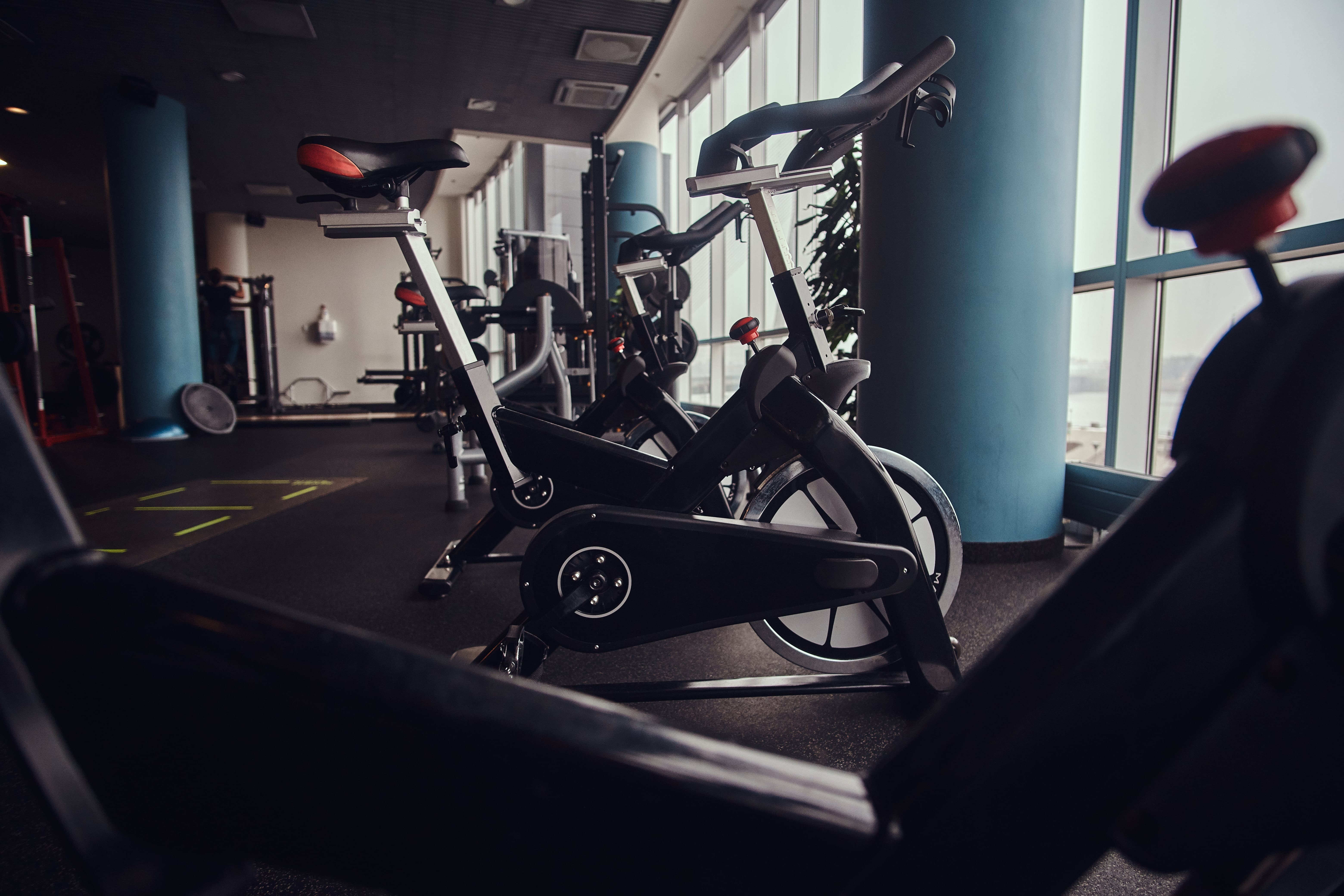
Studio cycles are built to reproduce high-energy indoor cycling classes. They include heavy flywheels, direct-chain or belt drives, and handlebars that permit out-of-the-saddle climbing and sprinting.
- Best for: Advanced cyclists, extreme cardio enthusiasts, and fans of shop spin classes.
- Key Feature: Heavy-duty construction efficient in dealing with vigorous, high-RPM workouts.
Comparing Fitness Bicycle Types
To assist visualize the distinctions, the table listed below describes the primary features of each bike type:
| Bike Type | Primary Muscle Focus | Joint Impact | Footprint Size | Perfect User |
|---|---|---|---|---|
| Upright Bike | Quads, calves, core | Low | Small | General physical fitness enthusiasts |
| Recumbent Bike | Glutes, hamstrings, lower quads | Very Low | Medium to Large | Newbies, rehab, back-pain victims |
| Studio Cycle | Full lower body, core, upper body | Low | Small to Medium | Advanced riders, HIIT fans, class-goers |
Key Features to Look For When Shopping
When examining any physical fitness bicycle for sale, buyers should look beyond the price tag and take a look at the specs that dictate performance, convenience, and durability.
- Resistance Mechanism:
- Friction Resistance: Uses felt pads pushing versus the flywheel. It is economical but requires regular pad replacement.
- Magnetic Resistance: Uses magnets to produce resistance without friction. It is virtually quiet, requires no upkeep, and provides smoother shifts.
- Flywheel Weight (for Studio Cycles): A heavier flywheel (typically 35 to 45 pounds) supplies a smoother, more reasonable momentum comparable to riding outdoors.
- Adjustability: Ensure both the seat and handlebars can be adjusted vertically and horizontally to prevent pressure and make sure proper biomechanics.
- Console and Connectivity: Modern bikes feature LCD or touchscreen screens displaying metrics like RPM, heart rate, wattage, and calories burned. Lots of also provide Bluetooth connection to sync with apps like Zwift, Peloton, or Kinomap.
New vs. Used: What to Consider
A frequent dilemma when searching for a physical fitness bicycle for sale is choosing between new equipment and the used market. Both options have distinct advantages and disadvantages.
Buying Brand New
- Pros: Comes with a full producer service warranty, access to client support, pristine condition, and often the current technological features.
- Cons: Higher upfront expense.
Buying Used (Craigslist, Facebook Marketplace, Garage Sales)
- Pros: Significant cost savings; high-end commercial-grade bikes can sometimes be discovered at a fraction of their initial rate.
- Cons: No guarantee, possible surprise wear-and-tear, and the purchaser is accountable for transport and disassembly.
Tip: If purchasing a used bike, constantly check the drivetrain, examine the belt or chain for fraying, and make sure the resistance system functions efficiently throughout all levels.
Necessary Checklist Before You Buy
Before clicking “purchase” or turning over money for a fitness bicycle, run through this quick list to ensure total fulfillment:
- Measure Your Space: Measure the designated workout location and compare it with the dimensions of the bike (do not forget to represent ceiling height if you plan to stand on a studio cycle).
- Check Weight Capacity: Verify that the bike’s maximum weight limitation accommodates all desired users in the home.
- Examine the Warranty: Look for frames with life time guarantees and at least 1– 3 years of coverage for parts and electronics.
- Check Out Independent Reviews: Avoid relying exclusively on the maker’s site. Inspect third-party review sites and customer forums for real-world feedback on durability and sound levels.
- Consider Accessories: Budget for additionals like a comfy biking mat to safeguard floors, a heart rate display strap, or compatible cycling shoes if the pedals require cleats.
Final Thoughts
Embarking on a fitness journey is an empowering step, and choosing the ideal devices sets the foundation for long-term success. Whether prioritizing the therapeutic convenience of a recumbent bike or the heart-pumping intensity of a studio cycle, the perfect physical fitness bicycle for sale is out there waiting to be discovered.
By thoroughly examining individual physical fitness goals, comprehending the various kinds of bikes available, and keeping essential mechanical features in mind, purchasers can secure a maker that provides unbelievable worth, remarkable efficiency, and years of satisfying trips. Happy shopping, and here’s to reaching new health turning points!